

Summary
✔ Healthy weight gain prioritizes lean muscle development, metabolic stability, and nutritional adequacy — not excess fat accumulation.
✔ Adults with low appetite, elevated metabolic demands, or recovery-related nutritional gaps may benefit from structured oral nutrition supplements.
✔ Choose products with adequate protein, appropriate calorie density, micronutrient support, and transparent labeling.
✔ Supplements should complement meals rather than replace whole-food nutrition.
✔ Individuals with medical conditions should seek professional evaluation before initiating supplementation.
Play the Audio
Introduction
Healthy Weight Gain Supplements for Adults more than increasing caloric intake. Sustainable outcomes depend on structured nutrition, physiological balance, resistance stimulus, and evidence-aligned supplementation strategies.
In professional supplement compliance and nutrition-review settings, inadequate calorie and protein intake is a commonly observed concern among adults with elevated metabolic needs or reduced appetite. When dietary intake alone becomes difficult to maintain, clinically balanced nutrition supplements can serve as practical adjuncts within a comprehensive nutrition plan.
This pillar guide provides an evidence-informed framework to help adults understand when, why, and how weight gain supplements may support overall nutritional status.
What Is Healthy Weight Gain?
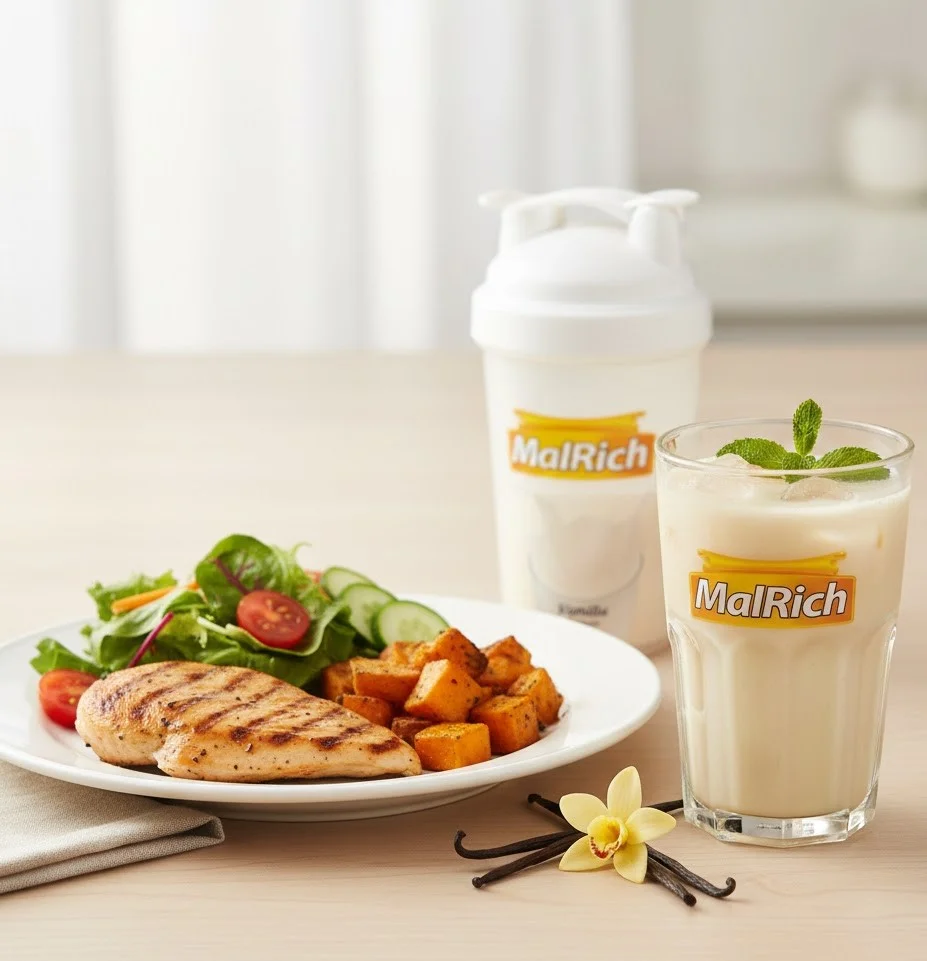
Healthy weight gain prioritizes functional body composition — supporting lean tissue development while minimizing disproportionate fat accumulation.
Key Characteristics:
✔ Gradual calorie surplus
✔ Adequate daily protein
✔ Resistance-based activity
✔ Micronutrient sufficiency
✔ Digestive tolerance
Unhealthy Weight Gain Often Involves
✖ Excess added sugars
✖ Ultra-processed calorie sources
✖ Poor nutrient density
✖ Elevated metabolic strain
The objective is not simply increased body weight, but improved strength, resilience, and physiological stability.
The Physiology Behind Weight Gain
Body mass increases when energy intake consistently exceeds expenditure. However, nutrient composition strongly influences whether weight supports muscle tissue or adipose storage.
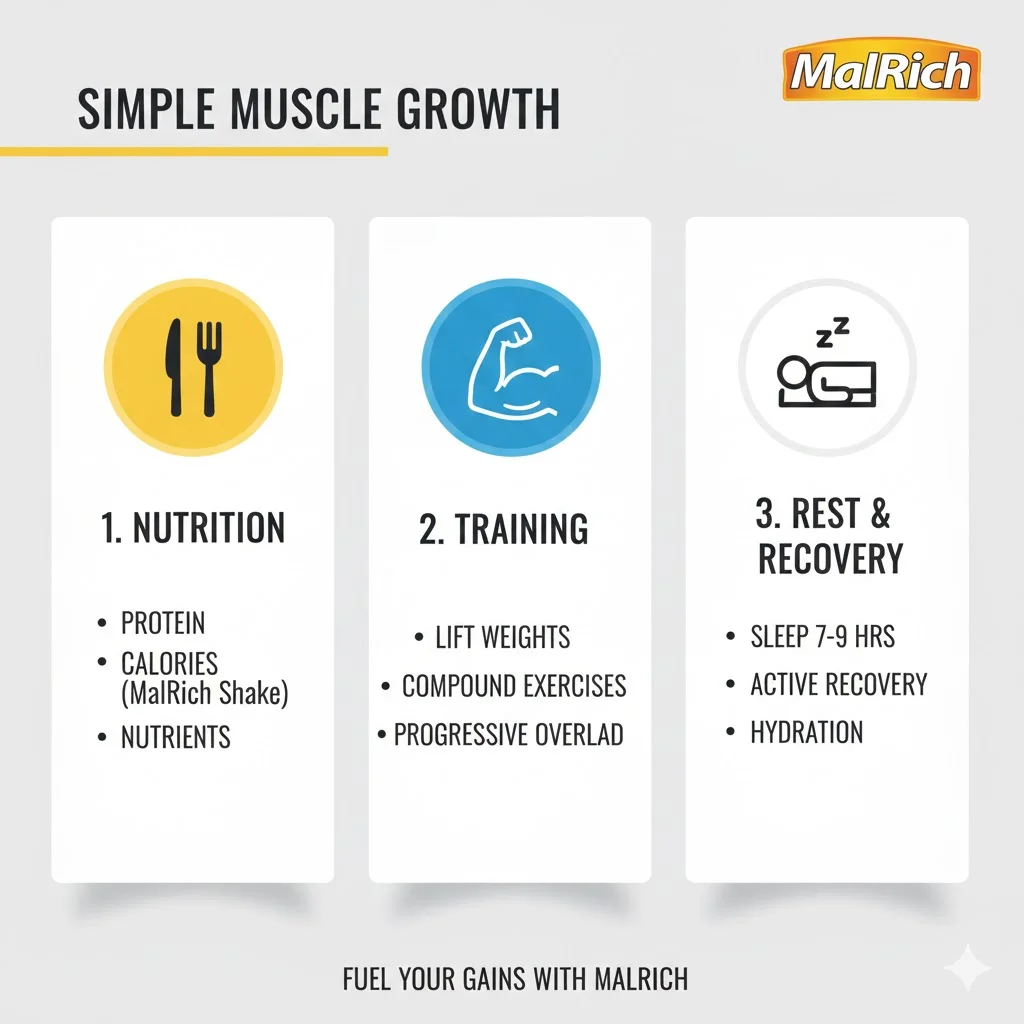
Muscle development occurs when muscle protein synthesis exceeds protein breakdown, supported by:
- Essential amino acids
- Adequate total protein intake
- Mechanical stimulus (strength training)
- Recovery
- Hormonal balance
Without these factors, excess caloric intake alone is unlikely to produce favorable body composition outcomes.
Why Some Adults Struggle to Gain Weight
Clinical nutrition observations suggest multiple biological and lifestyle variables may interfere with healthy weight gain:
- Naturally elevated metabolic rate
- Chronic low appetite
- Irregular eating patterns
- Gastrointestinal sensitivity
- High physical expenditure
- Nutritional deficiencies
- Recovery from illness
When meeting requirements through food becomes challenging, oral nutrition supplements may provide structured, measurable nutrient delivery.
How Weight Gain Supplements Support Adult Nutrition
1. Controlled Calorie Delivery
Facilitates intake without requiring excessive meal volume.
2. Protein Availability
Supports lean mass maintenance and recovery when paired with resistance activity.
3. Energy Support
Carbohydrates replenish glycogen stores and help reduce fatigue.
4. Micronutrient Reinforcement
Vitamins and minerals contribute to metabolic pathways involved in appetite regulation and energy utilization.
Evidence-Informed Intake Targets
While individual needs vary, commonly referenced ranges include:
- Calorie Surplus: ~300–500 kcal/day
- Protein: ~1.2–2.0 g/kg body weight
Personal requirements should consider age, activity level, metabolic status, and medical history.
Pros and Limitations of Weight Gain Supplements
Advantages
✅Convenient calorie support
✅ Helpful for reduced appetite
✅ Structured nutrient intake
✅ May assist lean mass goals
✅ Practical for demanding schedules
Limitations
⚠ Not substitutes for whole foods
⚠ Some formulations contain unnecessary additives
⚠ Excess intake may promote fat gain
⚠ Not appropriate for all medical conditions
⚠ Manufacturing quality varies
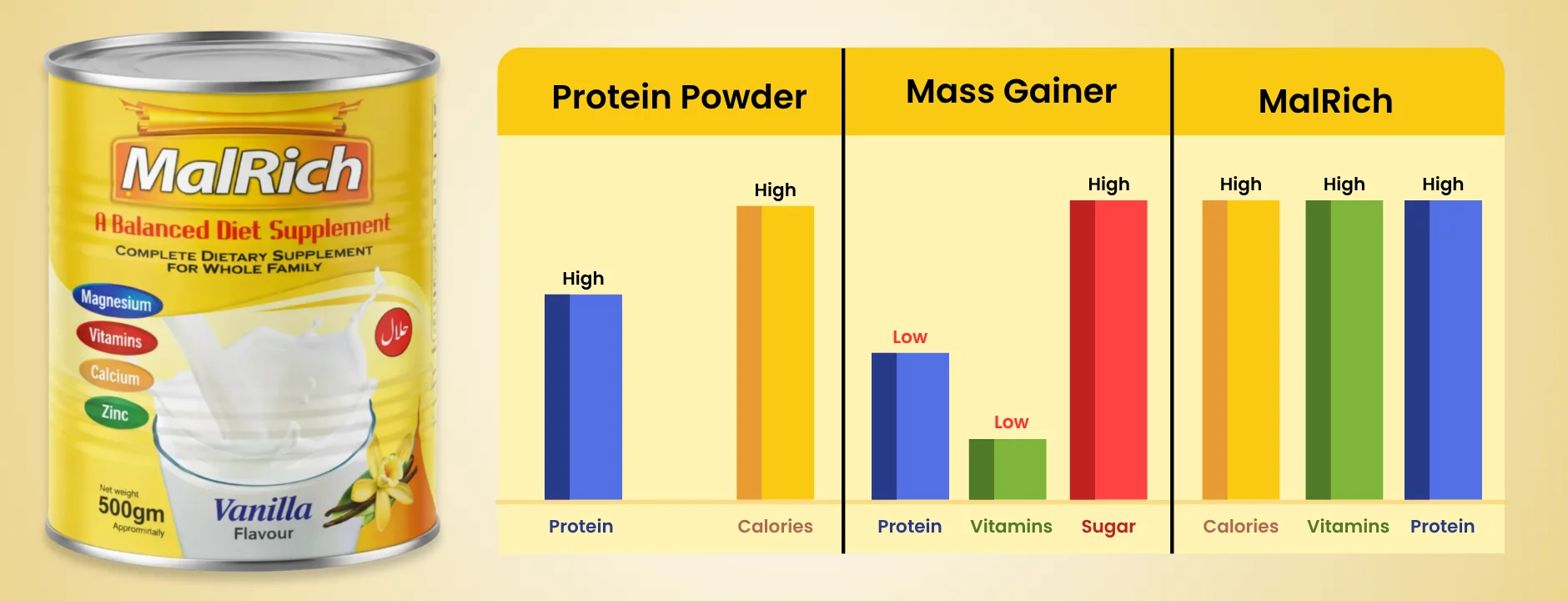
Comparison: Common Weight Gain Strategies
Strategy
- Whole Foods
- Protein Supplements
- Mass Gainers
- Balanced Nutrition Powders
Best For
- Mild calorie gaps
- Muscle-focused goals
- High calorie needs
- General adult support
Advantages
- Nutrient dense
- Supports recovery
- Efficient intake
- Macro + micro coverage
Limitations
- Larger portions required
- Lower calorie density
- May challenge digestion
- Product quality critical
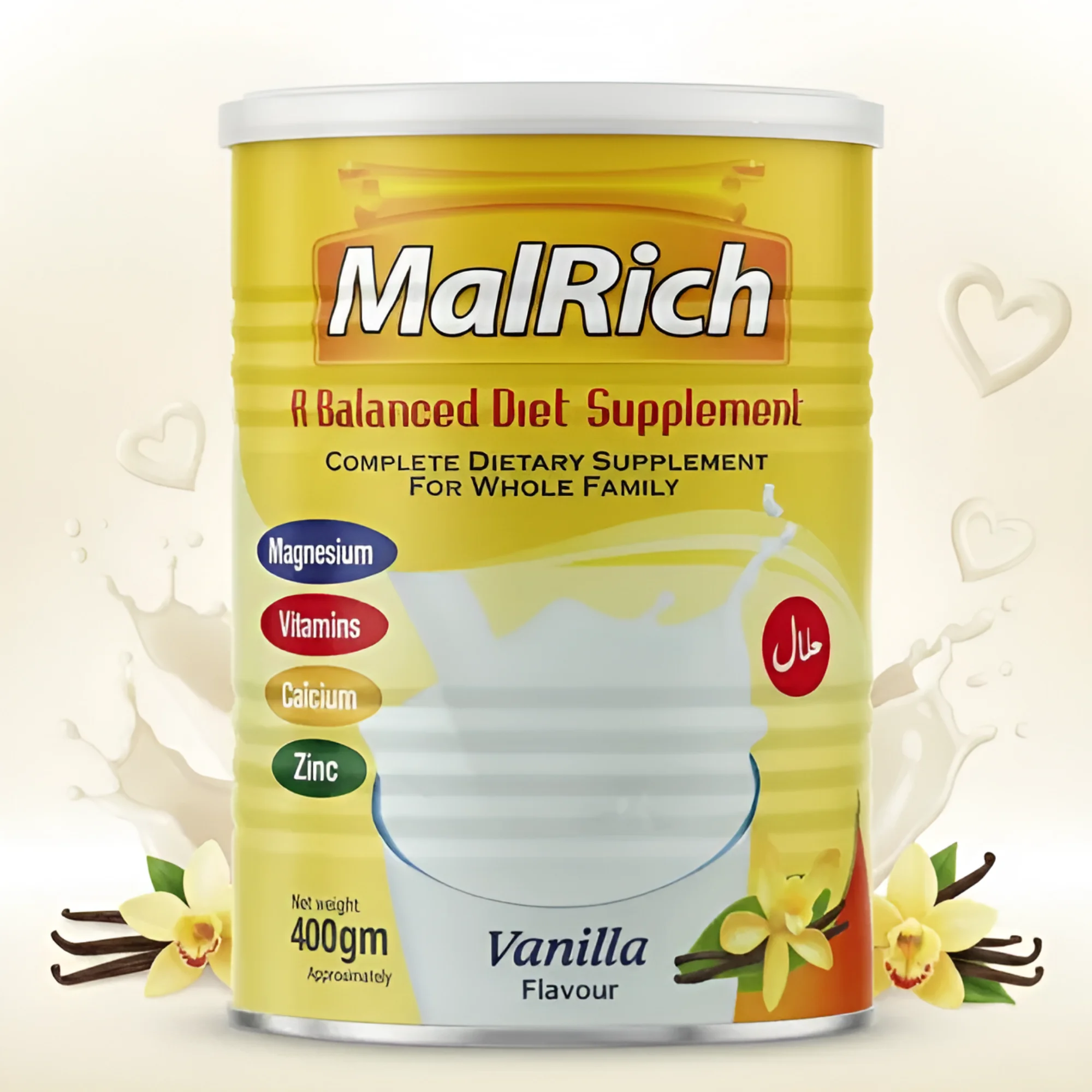
Example of a Structured Nutrition Supplement
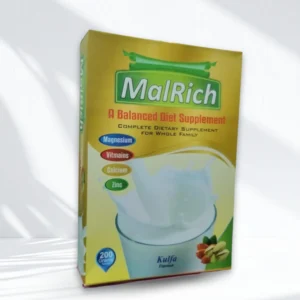
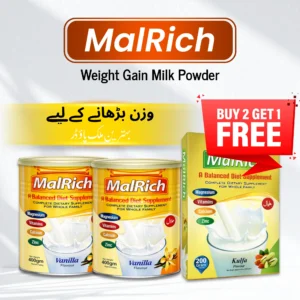
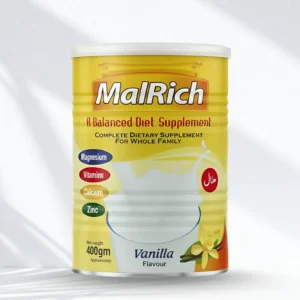
MalRich Healthy Weight Gain Milk Powder is formulated to deliver protein, carbohydrates, calories, and essential micronutrients intended to support daily nutritional intake.
When evaluating suitability, align the nutrient profile with your calorie targets, digestive tolerance, and overall dietary pattern.
Key Nutritional Highlights
- Protein supporting muscle maintenance
- Calorie support for gradual weight gain
- Vitamins and minerals contributing to metabolic health
- Mixable powdered format for consistent intake
Who May Benefit From Weight Gain Supplements?
- Underweight adults
- Individuals with reduced appetite
- Adults experiencing fatigue related to inadequate intake
- Those with elevated nutritional demands
- Individuals recovering from illness (under professional guidance)
Who Should Seek Medical Guidance First?
Professional evaluation is recommended for individuals with:
- Kidney disorders
- Liver disease
- Diabetes
- Hormonal conditions
- Active gastrointestinal disease
- Pregnancy or breastfeeding
- Ongoing prescription medication use
Reported User Experiences
Consumer feedback may provide helpful context when evaluating supplement tolerance, palatability, and ease of use. While individual responses vary, commonly reported observations include:
⭐ Digestive Comfort: Some users report the formulation is easy to tolerate when consumed as directed.
⭐ Convenient Calorie Support: Individuals with reduced appetite often describe it as a practical method for increasing daily caloric intake.
⭐ Balanced Taste Profile: Feedback frequently notes moderate sweetness and acceptable mixability.
Note: User experiences are subjective and should not replace professional medical guidance or individualized nutrition planning.
How to Choose a High-Quality Supplement
Prioritize products offering:
✔ Transparent labeling
✔ Evidence-aligned macronutrient ratios
✔ Demonstrated digestive tolerance
✔ Clear usage guidance
✔ Appropriate calorie density
Regulatory Considerations
Select supplements manufactured in GMP-compliant facilities and quality tested whenever possible.
Clinical Supplement Quality Checklist
In professional supplement reviews, the following indicators are commonly used to assess product quality and safety:
✔ Clearly disclosed ingredient list
✔ Transparent nutrition labeling
✔ Evidence-aligned protein and calorie composition
✔ Manufactured in GMP-compliant facilities
✔ Third-party quality testing when available
✔ Free from undisclosed proprietary blends
✔ Appropriate for adult use
✔ Provides clear serving guidance
Products meeting these indicators are generally better positioned to support structured nutritional intake.
Product Evaluation Methodology
Supplements referenced within this guide are assessed based on:
- Label transparency
- Nutrient composition
- Manufacturing standards
- Regulatory alignment
- Intended adult use
No product should be considered universally appropriate; individualized assessment remains essential.
Evidence-Aligned Supplement Options
The following products illustrate formulation approaches aligned with adult nutritional support.
Frequently Asked Questions
Are weight gain supplements suitable for daily use?
Products designed for adult nutrition are generally intended for routine intake when used as directed.
Will supplements cause unhealthy fat gain?
Body composition is influenced by total diet, protein intake, and physical activity.
Is exercise necessary?
Resistance-based activity improves the likelihood of lean tissue development.
How long does healthy weight gain take?
Gradual progress across several weeks to months is typical.
Can supplements replace meals?
No — they should complement a structured dietary pattern.
Final Takeaway
Healthy weight gain should be approached as a nutrition-led, physiologically informed process supported by consistent calorie intake, adequate protein, and structured lifestyle habits.
When dietary intake alone is insufficient, well-formulated supplements can function as effective nutritional tools. However, individualized planning remains the most reliable path toward safe and sustainable outcomes.
Adults uncertain about their nutritional needs are encouraged to consult a qualified healthcare professional before beginning supplementation.
Medical Disclaimer
This article is intended for educational purposes only and does not constitute medical advice. Nutritional requirements vary between individuals, and professional medical guidance should be sought before making significant dietary or supplementation changes.
References
This article references guidance from internationally recognized healthcare and nutrition organizations.
- National Institutes of Health (NIH). Office of Dietary Supplements – Dietary Supplement Fact Sheets for Health Professionals.
Available from: https://ods.od.nih.gov - American College of Sports Medicine (ACSM). Protein Intake and Muscle Health Guidelines.
Available from: https://www.acsm.org - ESPEN (European Society for Clinical Nutrition and Metabolism). ESPEN Guidelines on Clinical Nutrition.
Available from: https://www.espen.org - World Health Organization (WHO). Nutrition and Healthy Diet Resources.
Available from: https://www.who.int
Download the Printable Clinical Guide
Access a professionally formatted PDF version of this article for offline reading, structured review, or educational reference.
⬇️ Download the Healthy Weight Gain Clinical Guide (PDF)
This document is provided for educational purposes and is not a substitute for individualized medical advice.

Author
Naeem Haider
Licensed Pharmaceutical Professional | Supplement Compliance Specialist
With professional experience in pharmaceutical distribution and supplement regulatory practices, Naeem Haider focuses on promoting safe, responsible, and evidence-aligned use of health supplements. His work emphasizes clinical accuracy, transparent healthcare communication, and informed decision-making to strengthen public confidence.